Same-Day Flower Delivery Explained: Cut-Off Times, Postcodes and What to Expect
October 09, 2026 - Delivery
Someone tells you they don't like flowers and the obvious gift is suddenly off the table. Before you default to a box of chocolates, it's worth working out what they actually mean. "I don't like flowers" is rarely about flowers. It's usually about scent, pollen, the fuss of changing water, the waste of a bouquet that lasts four days, or a memory of lilies at a funeral. Find the real objection and you'll find something they'll genuinely enjoy.
Rather than asking what they'd like — which tends to produce a polite shrug — ask what they don't like about flowers. Most people answer quite specifically, and the answer tells you the whole shape of the gift.
If you can't ask without ruining the surprise, look at their home. What's already on the windowsill, the shelf, the mantelpiece? That tells you more than any conversation about flowers will.
Scent is the most common complaint, and it's an easy one to solve. Tell your florist you need a scent-free recipe and name the usual offenders so there's no confusion: lilies, hyacinths, freesias, stocks, lilac, and narcissi all carry a lot further than people expect. A single lily in a warm room can scent an entire flat.
What works instead? Tulips, ranunculus, dahlias, thistles, ornamental cabbage, gladioli, feverfew and most chrysanthemums have little or no scent. Combine them with foliage and you get a full, generous-looking arrangement that nobody has to open a window for.
Pollen is separate from scent, so don't assume a scent-free bouquet is safe. Ask for flowers with little visible pollen — lilies are the obvious one to avoid, particularly as the stamens open — and keep dried grasses and catkin-heavy stems out of the mix. If someone has a genuine allergy, it's worth checking with them before sending anything at all. A plant or a dried arrangement is usually the kinder choice.
For anyone who finds cut flowers wasteful, a plant is the answer. It keeps going, it doesn't need a vase, and there's no guilt-ridden trip to the bin on day five.
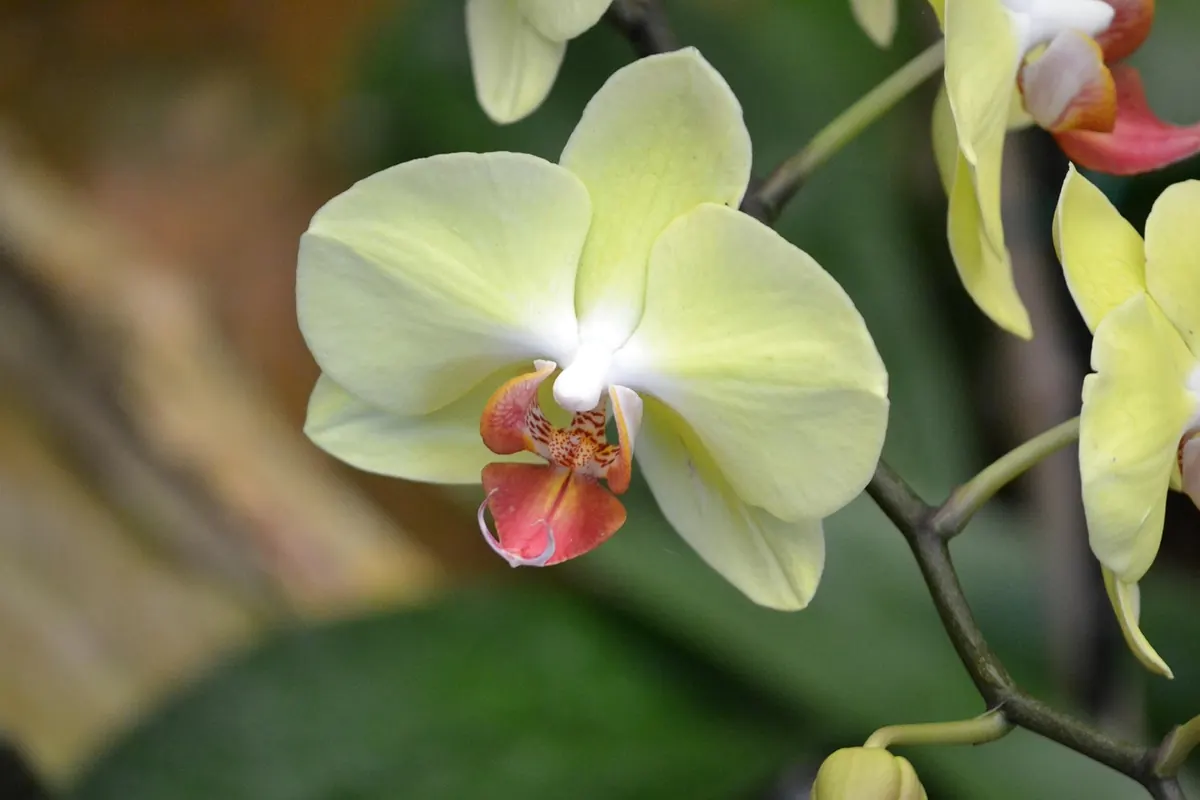
Choose something that suits their light. A dark north-facing flat can take a snake plant, a ZZ plant or a pothos. A bright windowsill will happily host a cyclamen in winter, a flowering kalanchoe, or a moth orchid, which flowers for weeks and needs almost nothing beyond a weekly soak. If they're a keen cook, a potted herb — rosemary, thyme, mint — is a gift that gets used rather than admired.
One caution worth passing on: many popular houseplants are toxic to cats and dogs, and lilies in particular are dangerous to cats. If there's an animal in the house, mention it when you order and ask for pet-safe options. If you're unsure about any plant's suitability around pets or children, check with a vet or a qualified horticulturist.
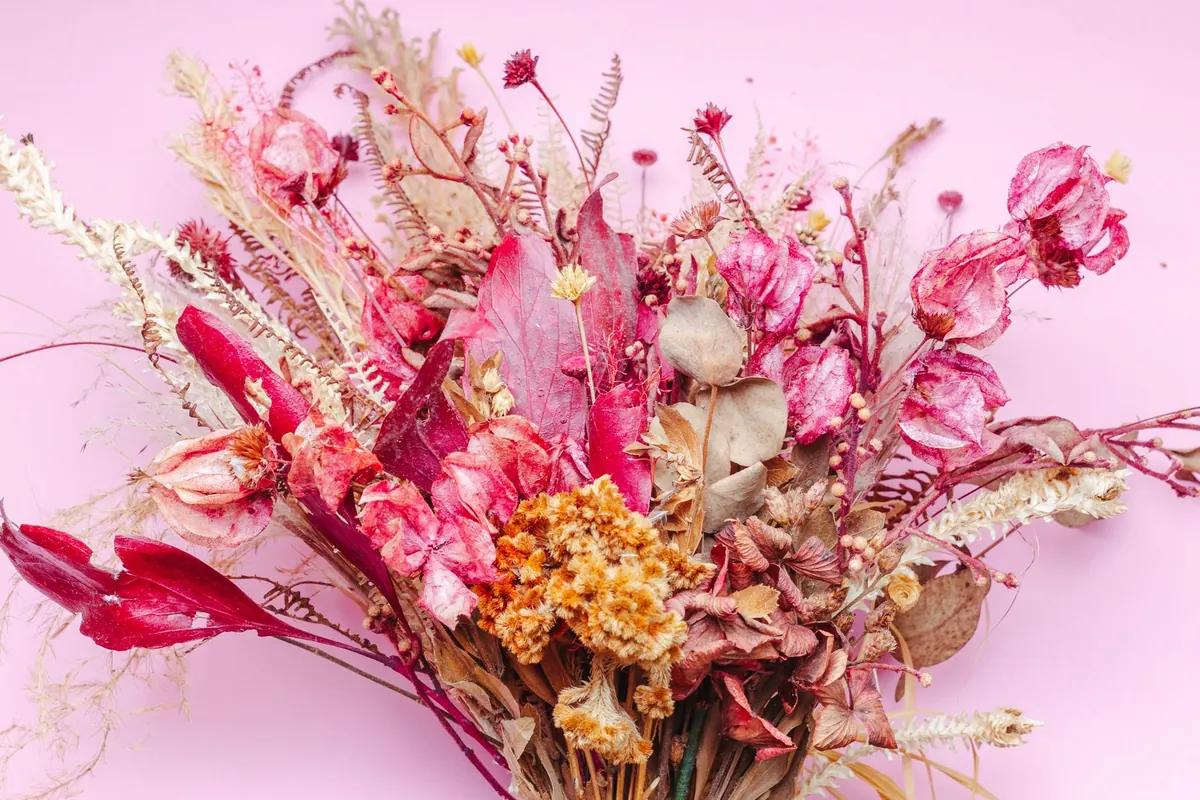
Dried flowers have come a long way from the dusty arrangements of the 1980s. Done well, they're sculptural, neutral and quietly expensive-looking, and they last for months rather than days. That makes them ideal for the person who finds fresh flowers a countdown to disappointment.
Look for bunny tails, lagurus, statice, dried hydrangea, wheat, palm spear and bleached ruscus. Eucalyptus dries beautifully and holds its scent faintly, so avoid it if scent is the problem. Ask for a neutral or natural palette rather than dyed colours — dusty pinks and bright dyed blues are the fastest way to make dried flowers look cheap.
Care is minimal: keep them out of damp rooms and direct sun, and dust them occasionally with a hairdryer on the cool setting, held at a distance.
If the objection is really about flowers being "too much", build the whole arrangement from leaves. A generous handful of eucalyptus, ruscus and pistache in a simple ceramic vessel is elegant, lasts a fortnight or more, and suits almost any room. Add magnolia leaves, beech or oak in autumn, or a few monstera and palm leaves for something more architectural.
This is also the best answer for someone with minimal taste. There are no colours to clash with their kitchen, no petals to drop, and nothing that looks out of place three days later. It reads as considered rather than last-minute, which is exactly the effect you want.
A lot of flower resentment comes from the packaging, not the plants. Skip the cellophane, the glitter, the ribbon and the enormous box. A hand-tied posy in plain paper, a jam jar of dried stems, or a single stem in a good vase all land better than a towering bouquet that has to be dismantled on the doorstep.
Small and specific beats large and generic every time. If you're ordering remotely, ask the florist to send you a photo before delivery, and ask what's actually in season — seasonal stems look better and last longer. If you can, add a short note explaining the choice: "No scent, as requested." That small line turns a gift into evidence that you were listening.
Anyone who says they don't like flowers is usually telling you they don't like that kind of flowers. Get the details right — no scent, no pollen, no fuss, no waste — and you'll find there's plenty left to choose from.
Photo: Jonathan Borba / Pexels
How same-day flower delivery works across UK cities, from cut-off times and postcode limits to courier routes and...
Ward rules, delivery windows and sensible packaging decide whether a hospital bouquet reaches the bedside. Here's...
Copyright © 2026 Petal Bay. All Right Reserved.