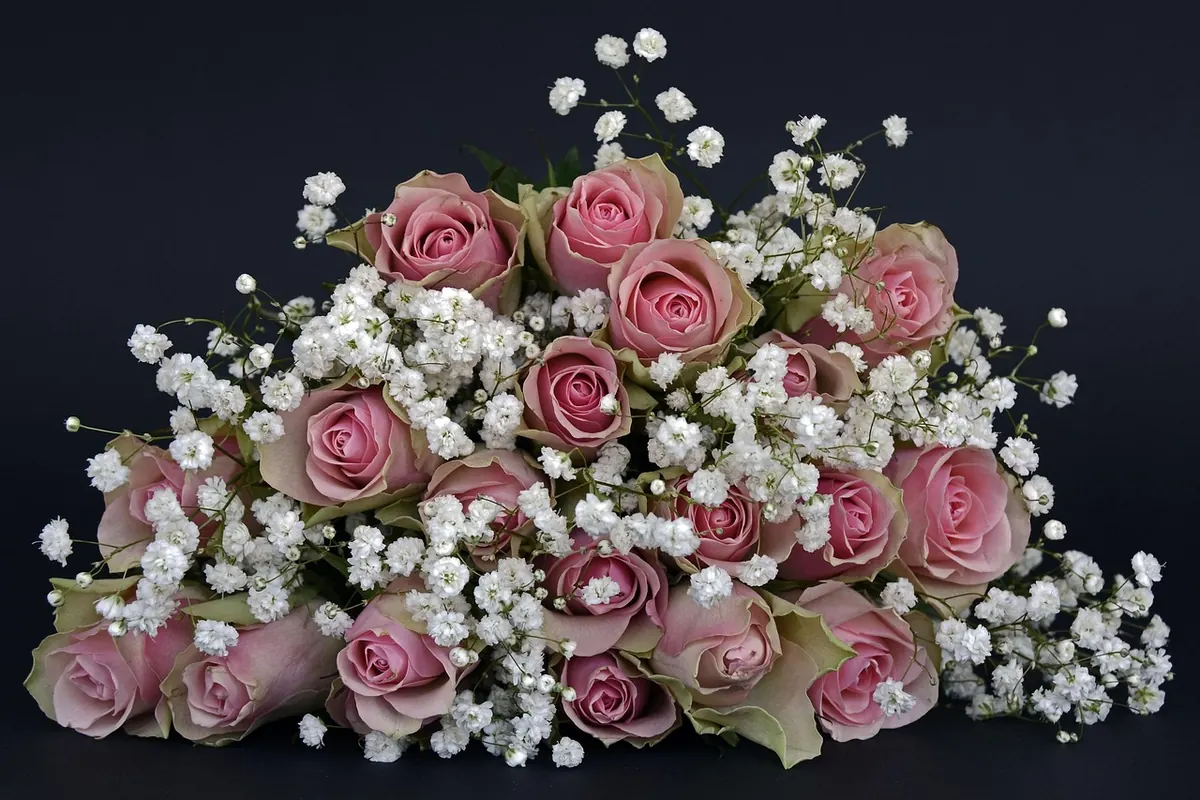
Same-Day Flower Delivery Explained: Cut-Off Times, Postcodes and What to Expect
October 09, 2026 - Delivery
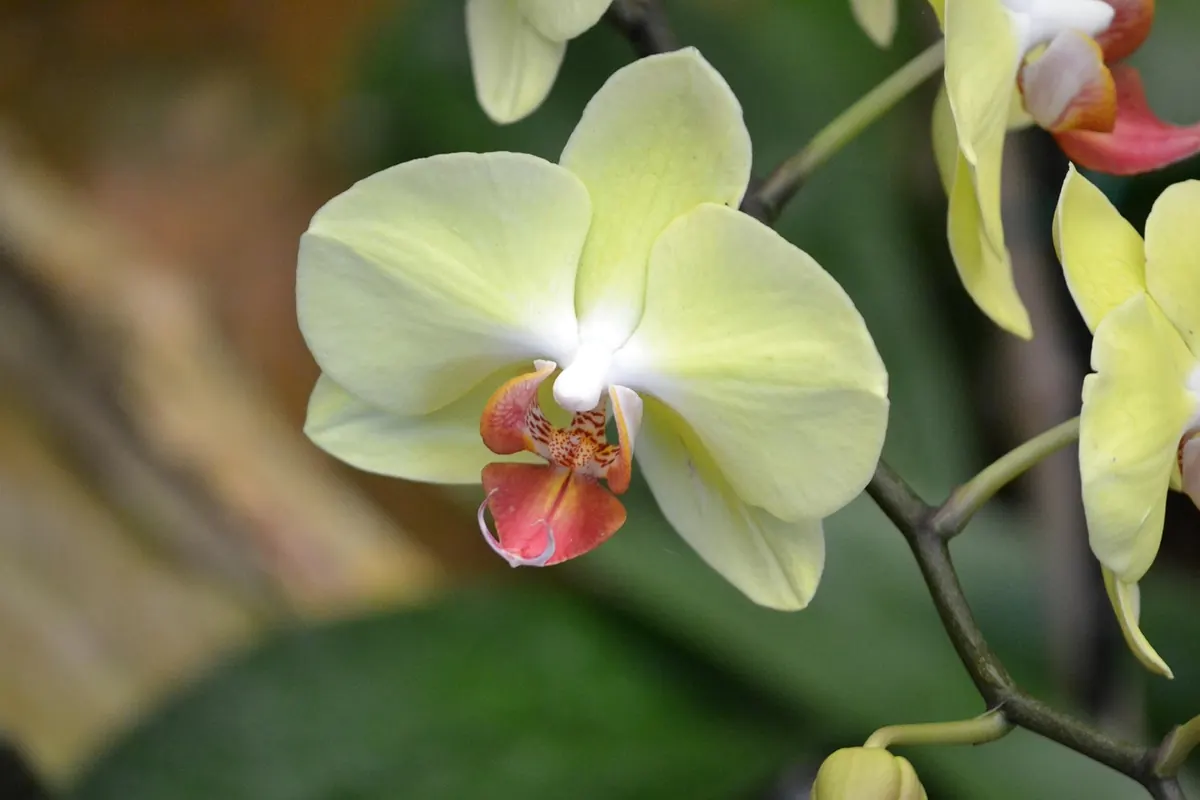
A wedding in late May and a wedding in late September can feel like two different countries, flower-wise. British-grown blooms arrive in waves — short, generous and often scented — and what is available in any given fortnight is decided by the weather rather than by a catalogue. Plan with the season and you get flowers at their peak, cut days rather than weeks before they reach you. Plan against it and you will pay for imports that look the part but rarely smell like it.
Most British flower growers are small operations working to order. They do not hold a stock list you can browse in January for a June wedding; they hold a plan, and that plan is a conversation. That is not a drawback. It means your florist can ask for a specific colour of dahlia, or a rose that smells of something, and get a straight answer about whether it will be ready.
The practical advantage is freshness. A stem cut two days ago and kept cool will outlast one that has crossed a continent. The catch is that field-grown flowers are less uniform. Stems vary in length and thickness, heads vary in size, and some varieties — poppies, anemones, nigella — are short-lived once cut and need careful conditioning. Handled well, they look like a garden; handled carelessly, they look tired by the speeches.
Early spring is the season of bulbs and branches. Narcissi and tulips dominate, and both come with quirks worth knowing. Narcissi release a sap that shortens the life of other flowers, so they need to be conditioned in their own bucket before they go anywhere near a mixed arrangement. Tulips keep growing after cutting, so a centrepiece made the day before a wedding will have shifted by the ceremony — charming if you expect it, alarming if you do not.
By May the range opens up: wallflowers, anemones, ranunculus, alliums, the first sweet peas. June is the richest month of the British year, with peonies, sweet peas, delphiniums, cornflowers and the first scented garden roses all overlapping. The palette tends towards cream, lilac, soft pink and blue.
It is also the busiest month for growers, who can only take on so many weddings before the field runs out. If you want a June date, start talking to a florist nine to twelve months ahead.
This is dahlia country: bold, generous, heat-tolerant and available in almost any colour except true blue. Cosmos, zinnias, sunflowers, scabious and phlox fill out the middle of the arrangement, while lavender, herbs and stocks carry the scent. Colours become saturated — hot pink, orange, deep purple.
The flowers that struggle are the delicate spring ones. Ranunculus and anemones dislike heat, and peonies are finished. If your date falls in a hot spell, think about where flowers will sit: a church windowsill in full sun will cook a hand-tied bouquet in an afternoon. Ask your florist to deliver as close to the ceremony as possible, and keep everything in water and shade until the last moment.
One practical point: some growers take a break in August, and many are supplying holiday cottages and markets at the same time. Ask early whether your date falls in their quiet or busy window.
Autumn is the most underrated season for British flowers. Dahlias keep going until the first frost, which might arrive in early October in the north and as late as November in milder spots. Hydrangeas, garden chrysanthemums — a different creature entirely from the supermarket sort — sedums, Japanese anemones and dahlias together make arrangements with real weight.
Add hips, berries, seed heads, grasses and foliage turning copper, burgundy and olive, and you have a palette of rust, plum, ochre and deep green that suits old barns and country houses. Because frost is unpredictable, have a fallback list agreed with your florist: if the dahlias go over a week early, what replaces them?
Be realistic. British-grown winter is the leanest period of the year, and no amount of planning will produce a field of peonies in January. Hellebores are the star, but they need careful conditioning — they are thirsty and prone to drooping, so sear the stems and give them time to drink before arranging. Forced narcissi, tulips, anemones and ranunculus from polytunnels fill some gaps.
Structure carries winter weddings: eucalyptus, skimmia, berried ivy, pine, willow, birch and dried flowers. Many winter weddings rely partly on imported blooms from the Netherlands and further afield, and that is a perfectly reasonable choice — just ask your florist what is British and what is not, so you know what you are buying. Do bear in mind that Valentine's Day and Mothering Sunday put real strain on supply for a week or two either side; a wedding booked on those dates may get a thinner selection.
If you or your guests have plant allergies, mention it to your florist early — most can steer clear of the usual culprits without changing the look.
The weddings that look best are usually the ones built on a short list of flowers that are genuinely at their peak that fortnight, with everything else handed over to the grower. Before you finalise anything, visit a farmers' market or a pick-your-own field in the month before your date and see what is actually in bloom. Twenty minutes of looking does more for your flowers than a folder of saved images ever will — and it will tell you, faster than any chart, what your season really tastes like.
Photo: fativentures / Pixabay

How same-day flower delivery works across UK cities, from cut-off times and postcode limits to courier routes and...

Ward rules, delivery windows and sensible packaging decide whether a hospital bouquet reaches the bedside. Here's...
Copyright © 2026 Petal Bay. All Right Reserved.