Same-Day Flower Delivery Explained: Cut-Off Times, Postcodes and What to Expect
October 09, 2026 - Delivery
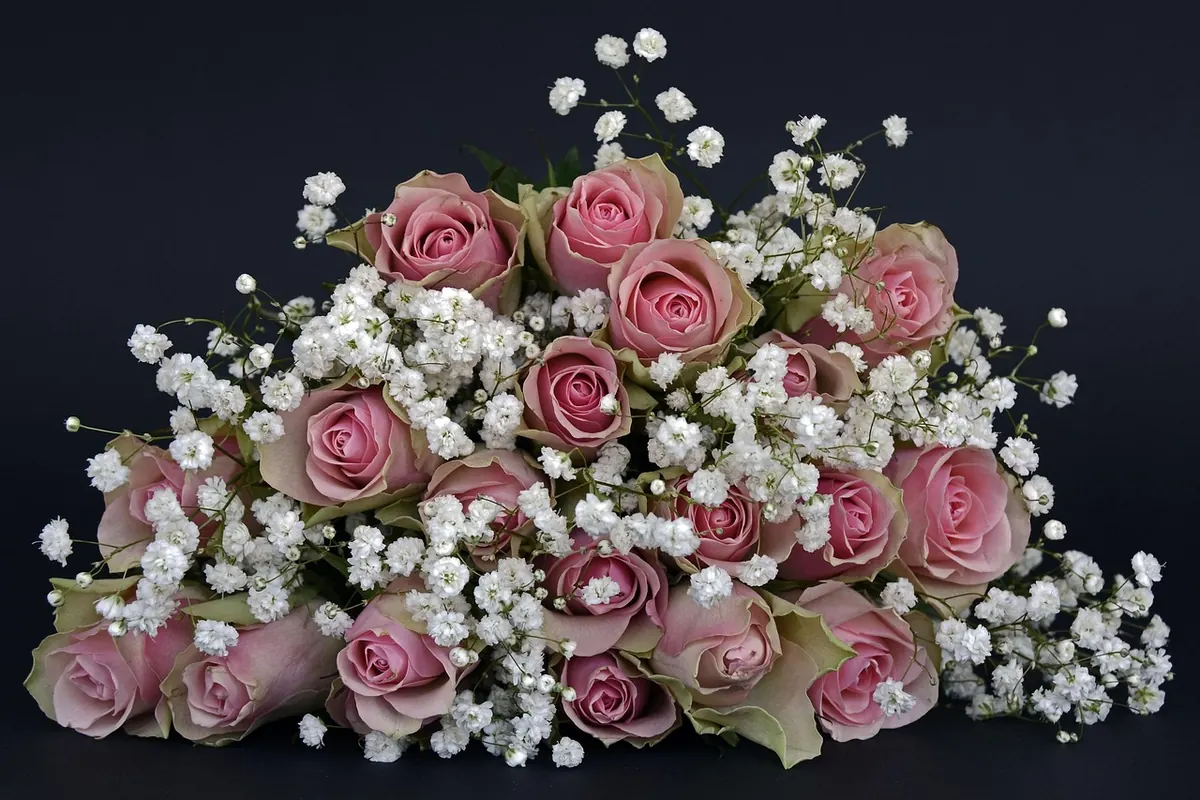
Flowers have a way of looking effortless on the day, which is exactly why they get left until late. In practice, a good florist is working to a schedule months in advance, and the couples who end up with the arrangements they imagined are usually the ones who started the conversation early. What follows is a practical timeline built around how UK florists, churches and venues actually work — bouquets and buttonholes, ceremony and reception flowers, delivery and set-up — so the final month feels like confirming, not scrambling.
Peak Saturdays from May to September go first, and December dates are snapped up almost as quickly. If you have a specific florist in mind, enquire as soon as the venue and date are confirmed, even if your ideas are still vague. A good florist would rather be involved while plans are flexible than handed a finished brief six weeks out.
At that first meeting, talk about the feel you want rather than a list of flower names. Garden-gathered and loose, or structured and formal? One flower repeated in bulk, or a mix of textures? Do you want scent, and where — in the bouquet, on the tables, or not at all? Bring the venue, the date, the guest numbers you're working towards, and a realistic budget range for flowers. Being upfront about money saves everyone time, and it lets the florist suggest where your spend will show most.
Ask whether they have worked at your venue before, how far they travel, and what deposit and balance terms they work to. Read the contract before signing, particularly the cancellation and date-change terms.
By now your guest list should be firm enough to count tables, because table count drives venue flowers more than anything else. This is also the point to finalise the wedding party, which is where personal flowers quietly add up.
Personal flowers usually include bouquets for the bride and bridesmaids, small posies for flower girls, and buttonholes for the groom, best man, ushers, fathers, grandfathers and any ring bearer. Mothers and grandmothers often wear corsages instead. Ask for two or three spare buttonholes — someone always arrives without one, or a pin goes through the wrong lapel.
Then tackle logistics. Can ceremony arrangements be moved to the reception, and who will move them? Some venues handle this; at others it falls to a helpful cousin. Ask what happens to hired vases, stands and arches at the end of the night, and whether they need collecting the next morning. If you are marrying in church, check whether it has its own flower guild and whether you may add to their arrangements or are expected to contribute to the flower fund instead. Historic buildings often ban nails, fixings and open flames, and many venues restrict confetti to dried petals, bubbles or nothing at all.
This is the stage for the detail list. Confirm every item with quantities: how many bouquets, how many buttonholes, how many table arrangements. If a flower you love is out of season or unreliable, agree the substitutions in writing now rather than discovering them on the day.
Think about tables in shape as well as number. Round tables suit low, dome-shaped arrangements; long trestle tables work beautifully with a run of smaller vessels. Tall centrepieces can block sightlines across a top table, and some venues restrict their height — worth asking before you fall in love with a design.
If any guest is sensitive to scent or pollen, say so. Lily pollen stains fabric, and heavily scented flowers in a small, warm ceremony room can overwhelm. A florist can usually suggest alternatives that look just as generous.
Also confirm the delivery window and set-up time with the venue, and diarise the balance payment date.
Send your florist the final numbers, final table plan and a named list of buttonholes — role by role, so nobody is left guessing who gets what. Then confirm three things in writing:
Ask for a simple written schedule: what arrives where, and when.
Check in a few days ahead to confirm everything is on track. On the day, keep bouquets in water in a cool room, away from direct sun, radiators and hot cars — a bouquet left on a sunny back seat for two hours will show it. Carry them by the stems, not the blooms, and keep the wrapping on until the last moment.
Appoint someone to receive the florist and someone to pin buttonholes. A bridesmaid with a printed list and a box of pins is worth more than any spreadsheet.
Keep one shared document with quantities, names, delivery times and contact numbers, and update it rather than starting new messages. Ask questions when they occur to you; florists deal with small changes all the time, and an early query is easier than a late one.
Finally, decide in advance what you would drop if the budget tightens. Most couples find that personal flowers and one strong focal arrangement at the ceremony carry more emotional weight than flowers in every corner, and a good florist will tell you honestly where that is true for your venue.
Photo: anncapictures / Pixabay
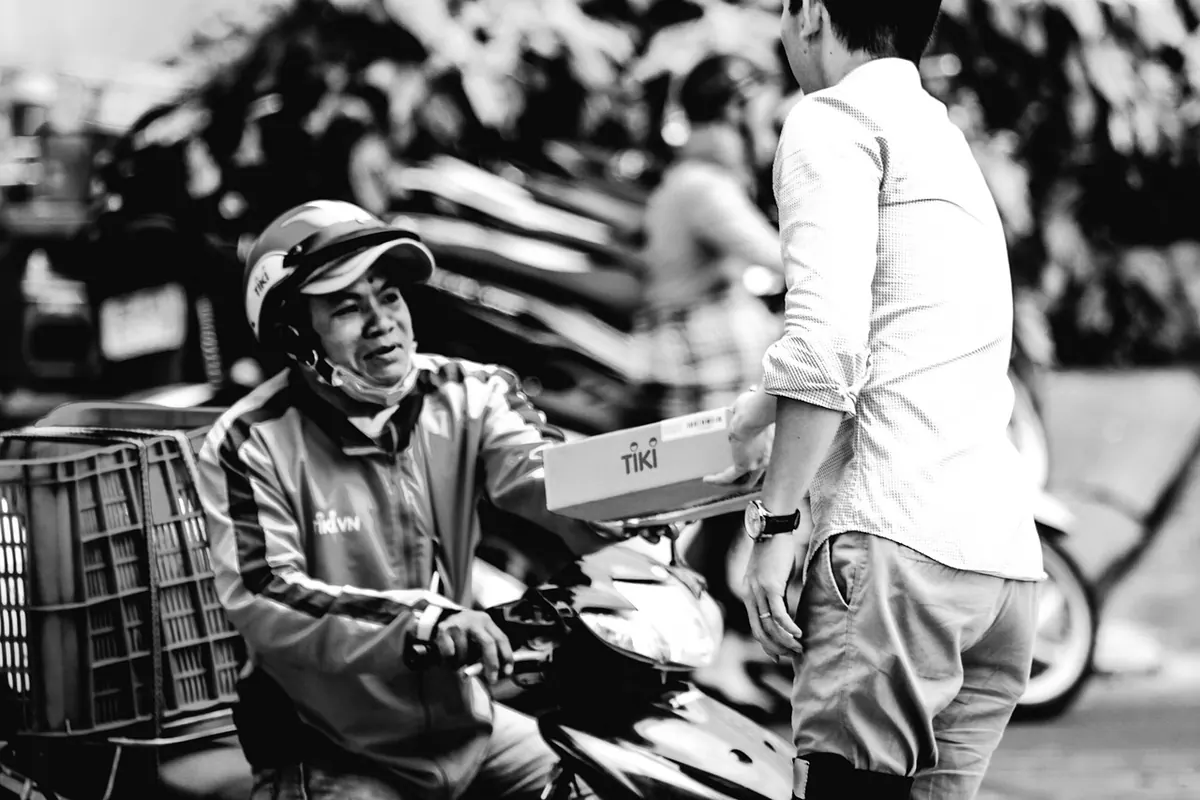
How same-day flower delivery works across UK cities, from cut-off times and postcode limits to courier routes and...
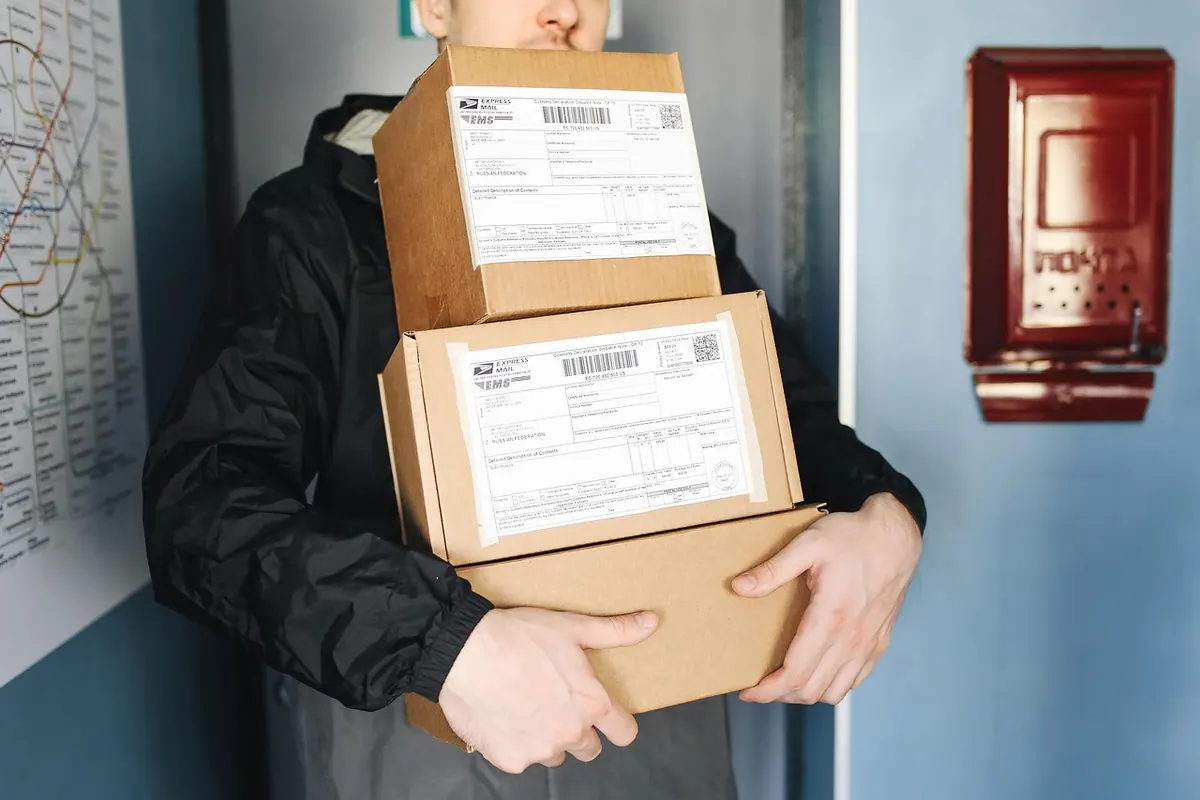
Ward rules, delivery windows and sensible packaging decide whether a hospital bouquet reaches the bedside. Here's...
Copyright © 2026 Petal Bay. All Right Reserved.