Same-Day Flower Delivery Explained: Cut-Off Times, Postcodes and What to Expect
October 09, 2026 - Delivery
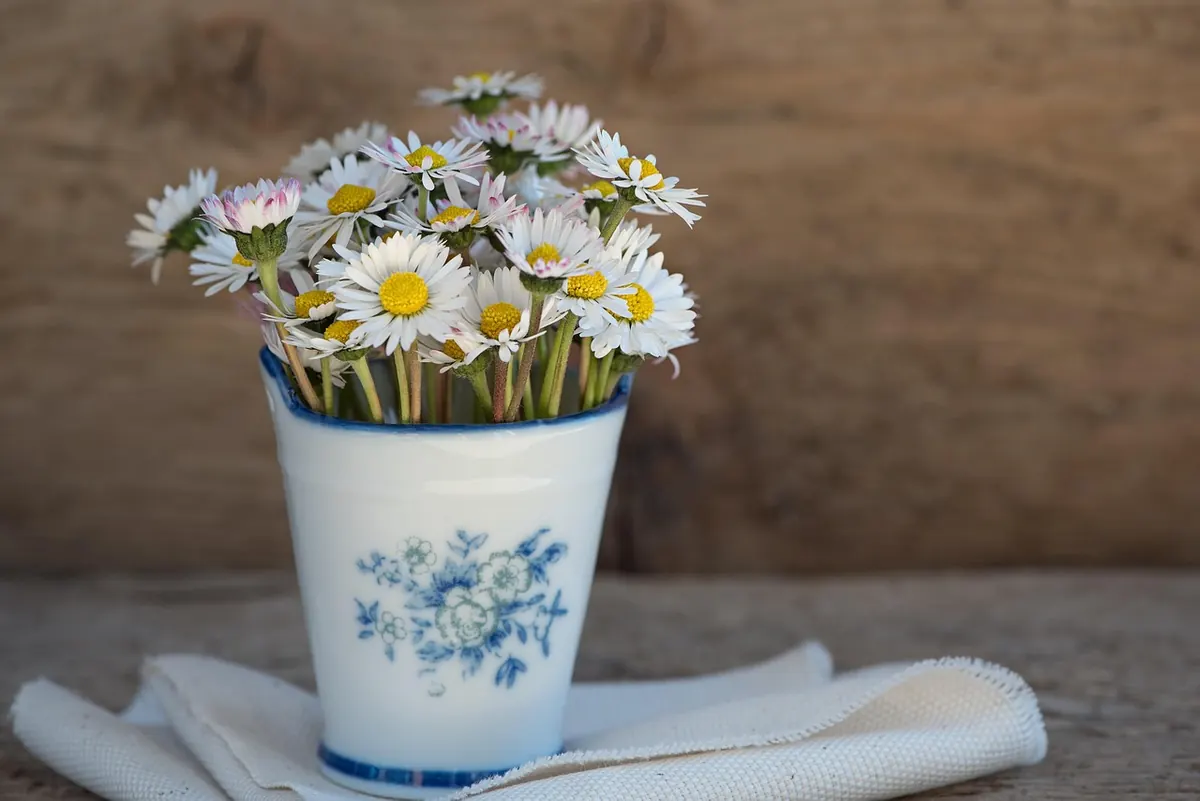
Few things deflate a room faster than a bouquet that gives up on day three. Tulips droop, roses flop at the neck, and the water turns cloudy before the weekend is out. It is rarely bad luck, and it is almost never the florist's fault. Most cut flowers fail because of a handful of small, fixable habits: the vase that never quite got clean, the heat coming off a south-facing windowsill, the fruit bowl sitting inches away. Get those right and the same bunch will often last twice as long.
A quick rinse under the tap feels like enough. It isn't. That faint cloudy film you can feel on the inside of a glass vase is a layer of bacteria and yeast, and it will be back in the water within hours, blocking the cut ends of the stems and shortening their life.
Wash every vase in hot water with a drop of washing-up liquid, using a bottle brush to reach the base and up the sides. Pay attention to the rim, where old water collects. For hard-water rings, a paste of bicarbonate of soda and a little water lifts the deposit without scratching the glass. Rinse thoroughly, then start again. If a vase is too narrow-necked to clean properly, it is the wrong vase.
The second mistake is topping up rather than replacing. Every top-up adds fresh water to a soup of bacteria and decaying plant material. Empty the vase completely, give it a rinse, and refill with lukewarm water — cold water can shock stems. Aim for a decent depth: enough that several centimetres of stem sit below the surface, but never so full that leaves are submerged. Change the water every second day at minimum, and daily in a warm kitchen. If it smells faintly sweet or looks stringy, you have left it too long. Skip water from a softened tap, which carries sodium that most cut flowers dislike.
Kitchen scissors crush the stem instead of cutting it, and a crushed stem cannot drink. Use sharp bypass secateurs or a proper pair of florist's snips. Cut at a 45-degree angle, which gives more exposed surface for water uptake and stops the stem sitting flat against the base of the vase. Take off two or three centimetres, and re-trim every time you change the water.
Then strip the foliage. Any leaf that sits below the waterline will rot within a day or two, feeding exactly the bacteria you have just washed away. It is the single most common reason a bouquet smells before it wilts.
Woody stems such as lilac, chrysanthemum and flowering cherry take up water slowly. Split the bottom centimetre with a sharp knife, or snip upwards into the base, to open it. Hollow stems like dahlias benefit from having their ends dipped in just-boiled water for a few seconds before they go in — keep the steam well away from the blooms.
Where you put the bouquet matters as much as anything you do to it. A windowsill in full sun, a shelf above a radiator or a spot next to a woodburner will speed up water loss and cook delicate petals. Draughts from a frequently opened door dry stems out just as quickly.
The goal is a cool, bright position out of direct sun. If your hallway or utility room is cooler than the kitchen, moving the vase there overnight — and back again in the morning — can add days to tulips and ranunculus in particular.
Ripening fruit gives off ethylene, an odourless gas that triggers petals to drop and buds to stay stubbornly shut. Ageing flowers and dying foliage release it too, which is why a bunch left next to a wilting arrangement fades faster. Keep flowers away from:
Tulips, carnations, gypsophila and sweet peas are especially sensitive. If your only clear surface is beside the fruit, move the fruit instead.
Flower food sachets do three jobs: feed the stems with sugar, lower the pH of the water so it travels up the stem more easily, and include a small amount of biocide to slow bacteria. Use the whole sachet with the correct volume of water — usually half a litre to a litre, so check the packet — and stir it in before the flowers go in.
Homemade mixes are hit and miss. A teaspoon of sugar plus a drop of thin bleach per litre is the version most often quoted; it can work, but it is easy to overdo the bleach and burn the stems. Aspirin, a splash of lemonade or a shot of vodka do very little beyond leaving you short of a drink. With no sachet to hand, clean water changed daily beats a guess.
Fussing is the other quiet killer. Every rearrange bruises petals, and the natural oils on your hands mark them. Misting looks generous but wets petals and encourages grey mould, especially on roses and peonies; hydrangeas are the exception. Snip the anthers off lilies as they open to protect fabric and surfaces from staining — and if you have a cat, keep lilies out of the house entirely, as they
Photo: Pezibear / Pixabay

How same-day flower delivery works across UK cities, from cut-off times and postcode limits to courier routes and...

Ward rules, delivery windows and sensible packaging decide whether a hospital bouquet reaches the bedside. Here's...
Copyright © 2026 Petal Bay. All Right Reserved.